You check out every time, and (stress) never leaves!
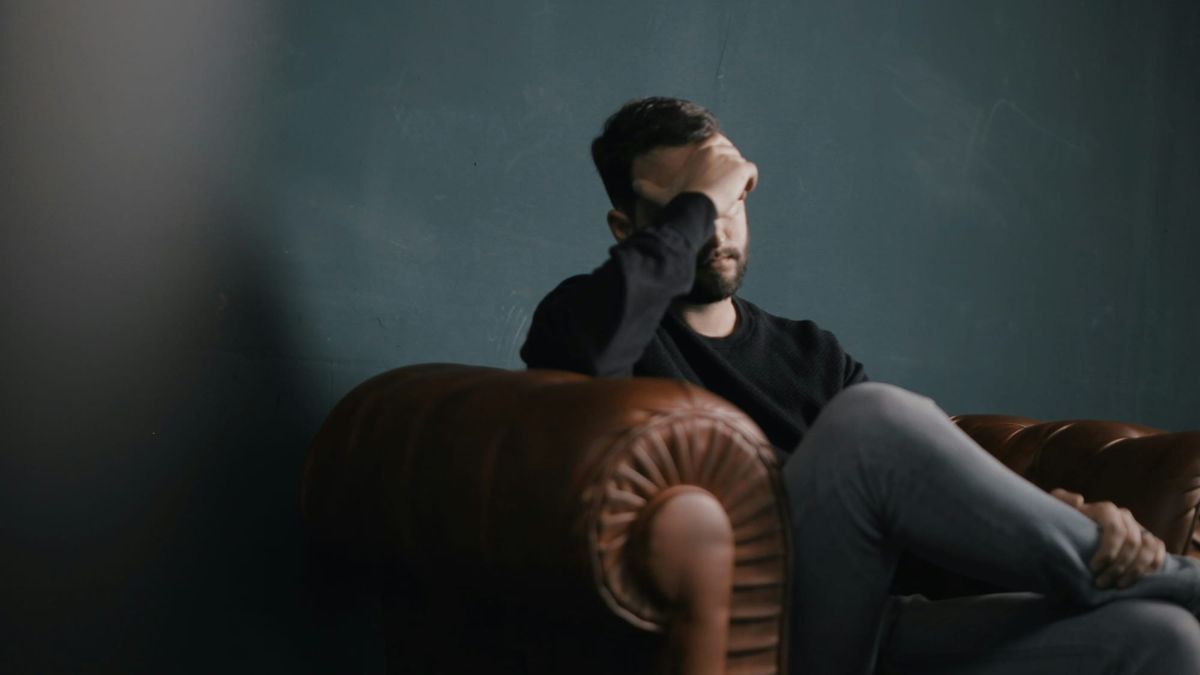
Rachel, a 28-year-old living in a metropolitan city, is constantly juggling work, loved ones, chores, hobbies, and health. Like many of us, her life is a constant flurry, leading to overwhelm and tiredness.
Stress is a natural response to life's challenges. Usually, our body recovers once the challenge is over. However, if you are constantly stressed for long periods and unable to rest - leading to a decline in physical and mental wellbeing - you may be suffering from chronic stress.
What Is Chronic Stress?
Stress is a complex bodily response that alerts us to a daunting task. In moderation, it can be useful. For example, Rachel's acute stress about a job interview prompted her to prepare well and she relaxed afterward.
Chronic stress, however, is a state of constant stress over an extended period with no relief. Imagine Rachel not only having the interview but also moving houses and then having a sick flatmate - the persistent high stress with no break is chronic stress. It can severely impact your health.
What Causes Chronic Stress?
Whether or not an individual will feel stressed depends on their belief about whether they can deal with the problem at hand. Once an individual perceives a situation as potentially stressful, a chain of bodily reactions is set in motion. This perception triggers a chain of bodily reactions, designed to help the body adapt:
- Alarm: The body detects the stressor and activates the sympathetic nervous system, causing a burst of energy and physiological changes like increased heart rate (e.g., Rachel feeling overwhelmed before her interview).
- Resistance: The body uses its resources to fight the stressor. Panic subsides as the individual works to overcome the problem (e.g., Rachel diligently preparing).
- Exhaustion: Once the stressor is over, the parasympathetic nervous system activates to restore the body to baseline, leading to rest and repair (e.g., Rachel going to dinner after the interview).
Chronic stress occurs when the body remains stuck in the resistance or alarm phase without reaching exhaustion and recovery.
Signs And Symptoms Of Chronic Stress
Chronic stress can show up through various physical and emotional symptoms, including:
- Body aches and pains
- Constant tiredness
- Difficulty sleeping well
- Changes in appetite
- Increased consumption of substances (caffeine, alcohol, etc.)
- Reduced motivation
- Difficulty with clear thinking and decision-making
- Increased conflicts due to irritation and anger
- Feeling overwhelmed and a sense of doom about tasks
We don't need to eliminate stress; we need to manage it better. Stress becomes a problem when it persists, keeping the brain's threat-detection systems overactive. This makes it difficult to return to a calmer state and takes a toll on overall health.
Transcranial Direct Current Stimulation (tDCS) uses a small, safe electrical current to gently influence brain activity. Research suggests that tDCS can help:
- Lower cortisol levels (a primary marker of stress).
- Improve sleep.
- Help the brain "shift gears" more easily, allowing it to disengage from fear once the stressor is no longer an immediate threat.
Chronic stress is increasingly common in modern life. While building a healthy lifestyle and learning coping tools are essential for management, tDCS offers a promising way to help the mind and body reclaim a sense of calm and peace.